About the Josquin Research Project
The Josquin Research Project (JRP) is an open-access digital library of Renaissance music. Users can browse, search, analyze, listen to, and perform from more than 1,300 scores spanning ca. 1400–ca. 1520.
The JRP partners with The 1520s Project, which curates repertoire from ca. 1510 to ca. 1540. From 2025 to 2028 both projects are supported by a National Endowment for the Humanities Scholarly Editions & Translations Grant. At an earlier stage the JRP was awarded a Digital Innovation Fellowship from the American Council of Learned Societies.
History and Goals
Created by Jesse Rodin in 2010 in collaboration with Craig Sapp at CCARH, the JRP began by confronting a long-standing scholarly problem: of 346 works attributed to Josquin des Prez (ca. 1450–1521), only a fraction is securely attributed. We began by digitizing music attributed to Josquin along with works by composers such as Johannes Okeghem, Marbrianus de Orto, and Pierre de la Rue. At the same time, we developed search functionality and analysis tools that can be applied to individual works and entire corpora.
Drawing on a foundational essay by Joshua Rifkin, we chose the name "Josquin Research Project" in emulation
of the Rembrandt Research Project, which is similarly interested in questions of attribution. We owe a great debt to Rifkin for providing guidance from the earliest stages.
The resources of the JRP have helped put the Josquin canon on a more secure footing; at present it appears that he composed about 102 works. Although questions of attribution served as a catalyst for the project, it quickly became clear that digitized scores could facilitate unprecedented access to the music and that our search and analysis tools could shed light on a range of fundamental questions: How does style change over time? What separates a song from a mass? What really makes one composer different from another?
All of our editions are prepared to a high scholarly standard; a significant percentage comprises performing editions that are freely available for use by modern ensembles.
Workflow
- Score preparation. Using facsimiles and modern editions, we enter music using the notation software MuseScore or Sibelius, adding relevant metadata.
- Editorial review. Rodin reviews each file by listening to it twice while consulting the transcribed score and a reference edition, adjusting editorial accidentals and other notational details as appropriate.
- Format conversion. Scores are exported as MusicXML files and translated into Humdrum syntax.
- Publication. Metadata is updated in the project’s Google Sheet, files are committed to the GitHub repository, and the update is published to the website.
JRP Editions
Although JRP scores are not meant to replace published critical editions, we make every effort to transcribe from reliable sources. When we encounter errors we correct them, in each case noting what has been emended.
JRP editions call attention, usually at the top of the score, to notable musical features like strict canons and quotations from other pieces.
For the sake of parity with the surviving sources, our editions use original note values and mensuration signs. Each piece is available in two versions, one with editorial accidentals (these added according to consistent principles) and one without; analyses depend on the version without editorial accidentals. We preserve spellings found in the original sources (e.g., “celi,” not “caeli”).
Contribute to the JRP
We welcome contributions of digital scores. Contact us here.
People
Directors
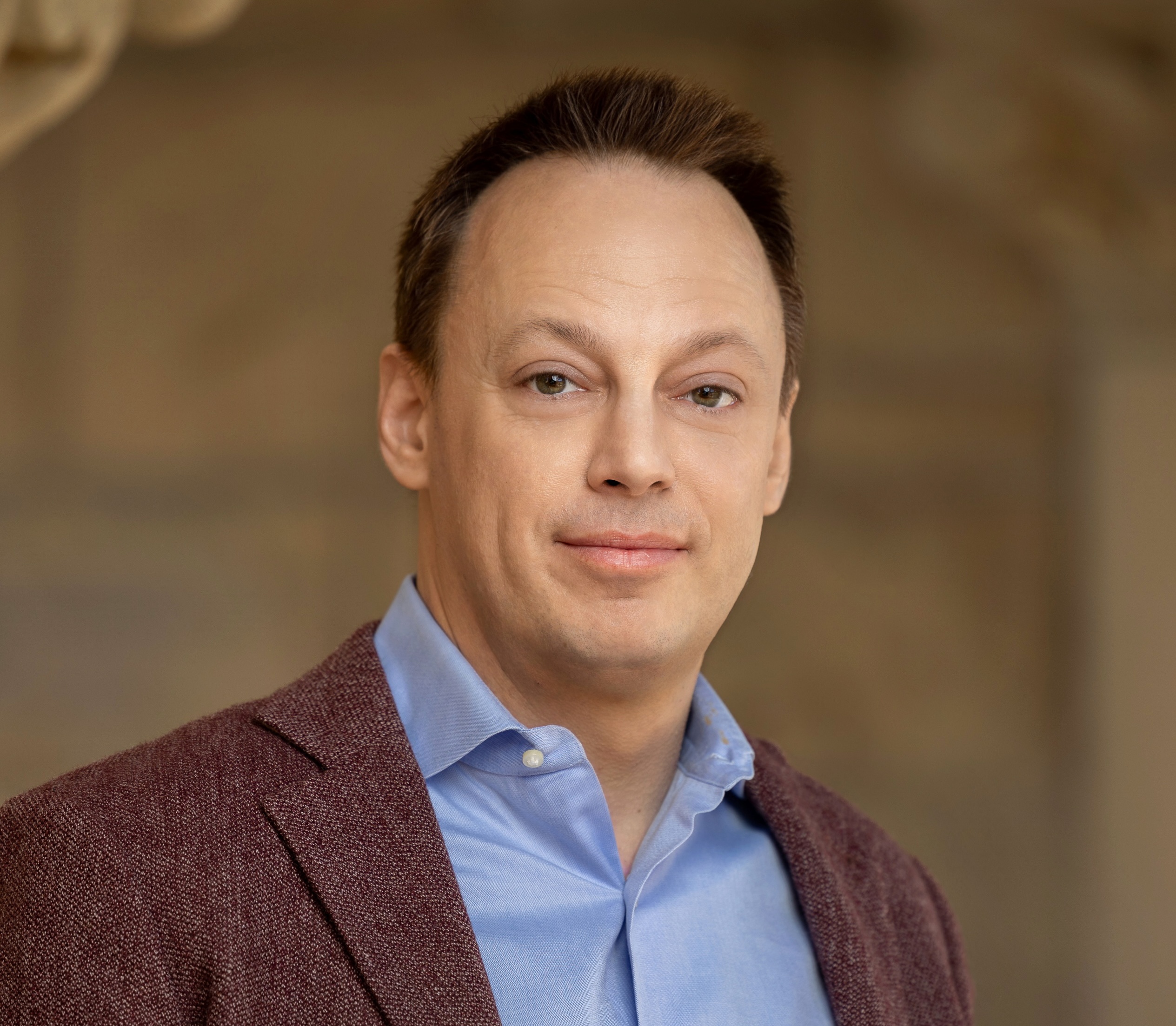
Jesse Rodin
Project Director (jrodin@stanford.edu)
Jesse Rodin is the Osgood Hooker Professor of Fine Arts (Department of Music) at Stanford University. He has published many books and articles on Renaissance music, including, most recently, the monograph The Art of Counterpoint from Du Fay to Josquin (Cambridge University Press, 2024). Rodin directs the vocal ensemble Cut Circle. He is the recipient of awards and fellowships from organizations such as the American Musicological Society and the Guggenheim Foundation.
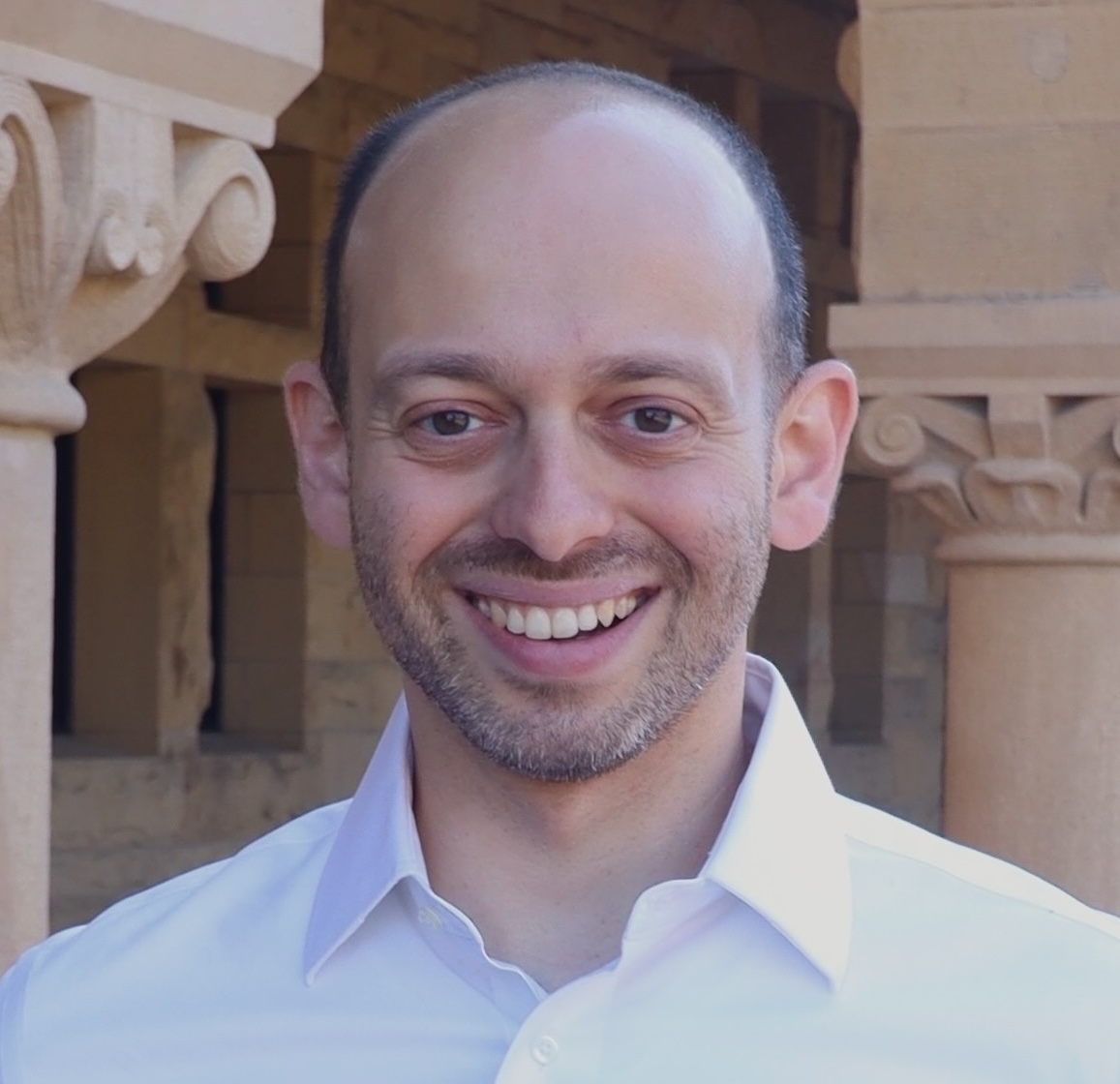
Benjamin Ory
Director of Operations (benjaminory@gmail.com)
Benjamin Ory is a Fonds Wetenschappelijk Onderzoek Junior Postdoctoral Fellow at Katholieke Universiteit Leuven. He received his PhD in musicology from Stanford University in 2022, and has since served as a Digital Humanities Fellow at Harvard University’s Villa I Tatti and as visiting assistant professor in musicology at Williams College. He is director of The 1520s Project and a co-director of Mapping the Musical Renaissance. His research focuses on sixteenth-century polyphony and the early history of Renaissance musicology.
Team Members
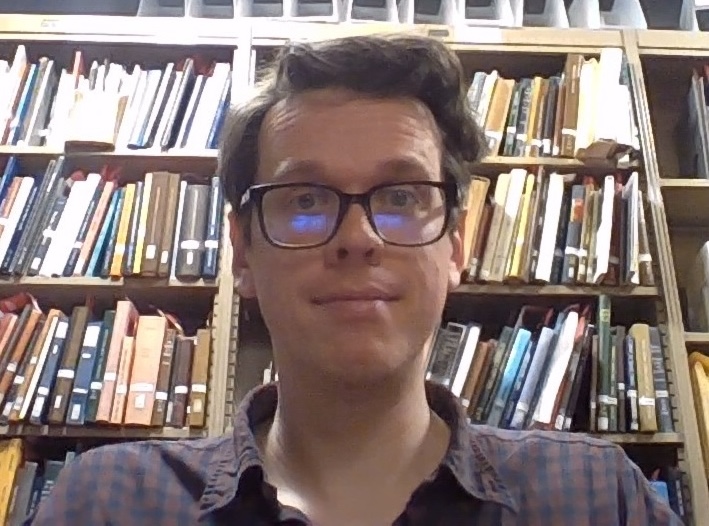
Sam Bradley
Sam Bradley received his PhD in Musicology from Boston University in 2024. He works on sources, style, compositional process, and performance practice in late fifteenth- and early sixteenth-century music.
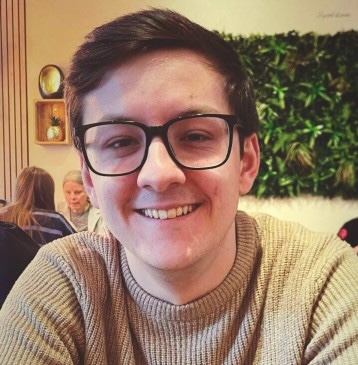
Michael Winter
Michael Winter recently completed his AHRC-funded PhD at Newcastle University. His research examines fragmentary works from the Eton Choirbook, using the reconstruction process to study fifteenth century compositional decision-making and contemporary reconstruction practices. He is a freelance editor and transcriber of music.
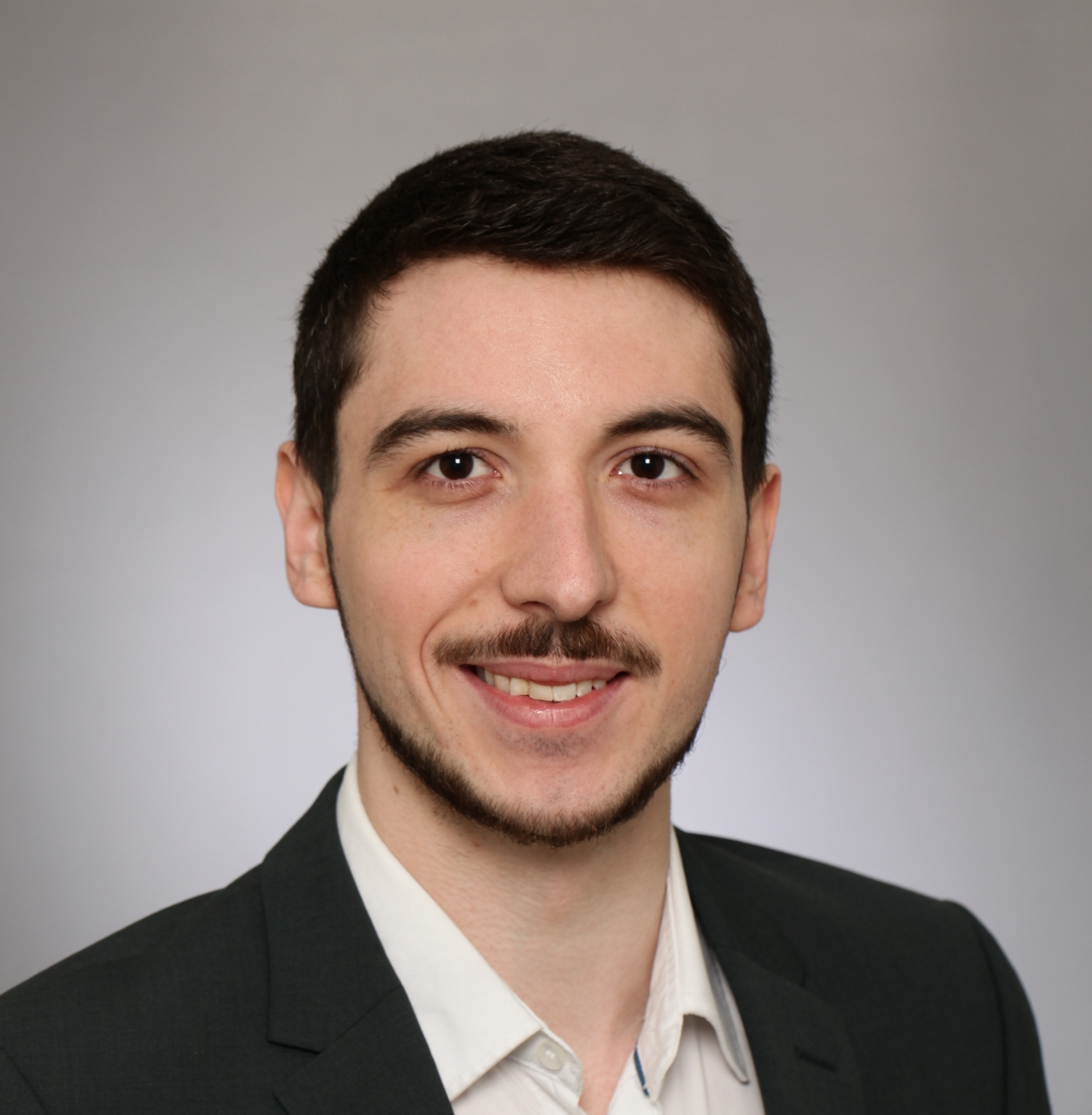
Patrick Ohnesorg
Patrick Ohnesorg is a PhD student in Musicology at Universität Regensburg, where he completed an M.A. in Historical Musicology and a B.A. in Musicology and Philosophy. His dissertation contextualises two manuscripts of polyphonic settings of the text Salve Regina and transcribes the motets for publication in the series Denkmäler der Tonkunst in Bayern.
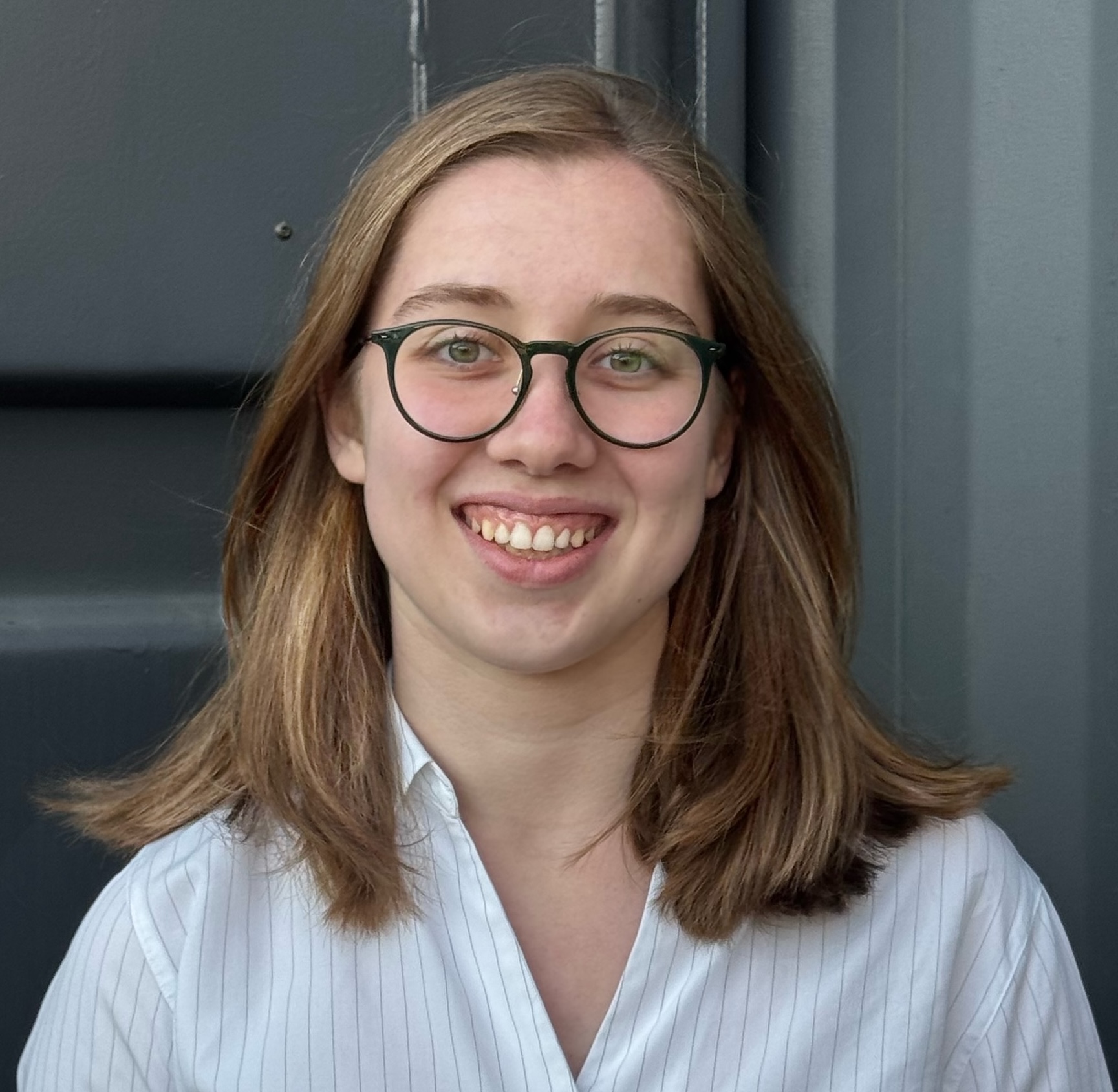
Lara Öge
Lara Oge is an incoming PhD student in Musicology at UC Berkeley, where she also received her B.A. in Music with minors in Digital Humanities and Medieval Studies. She is completing an MPhil in Music at the University of Cambridge as a Benefactors' Scholar of St John's College. Her thesis project examines the mobility of fifteenth-century singers across musical institutions in Bruges.
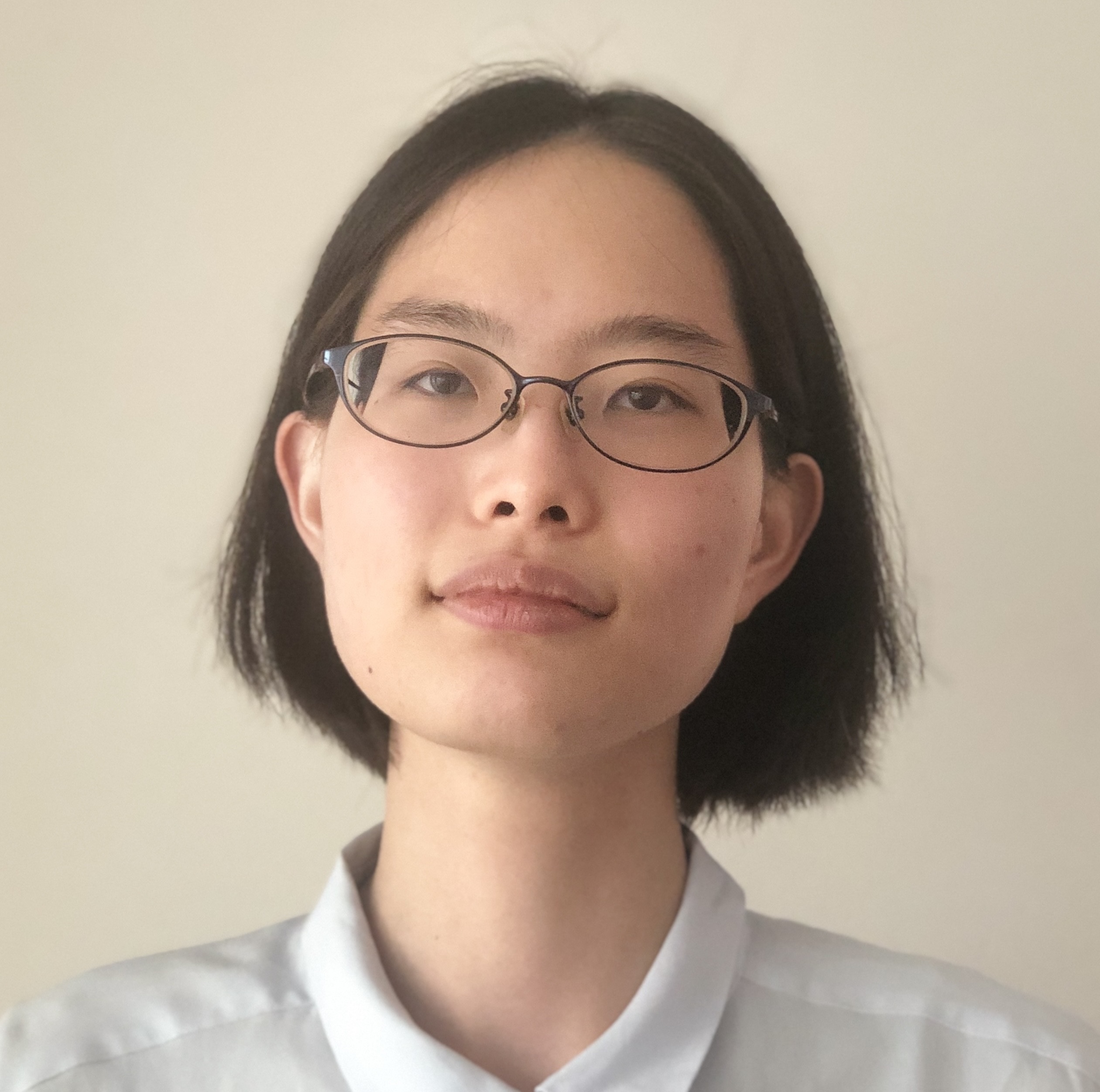
Lee Qing
Lee Qing is an incoming PhD student in Music at Stanford University. She graduated with a BM in Music Composition in 2025 from Boston University. Her research interests include fifteenth-century secular vocal music and text-setting, as well as digital humanities.
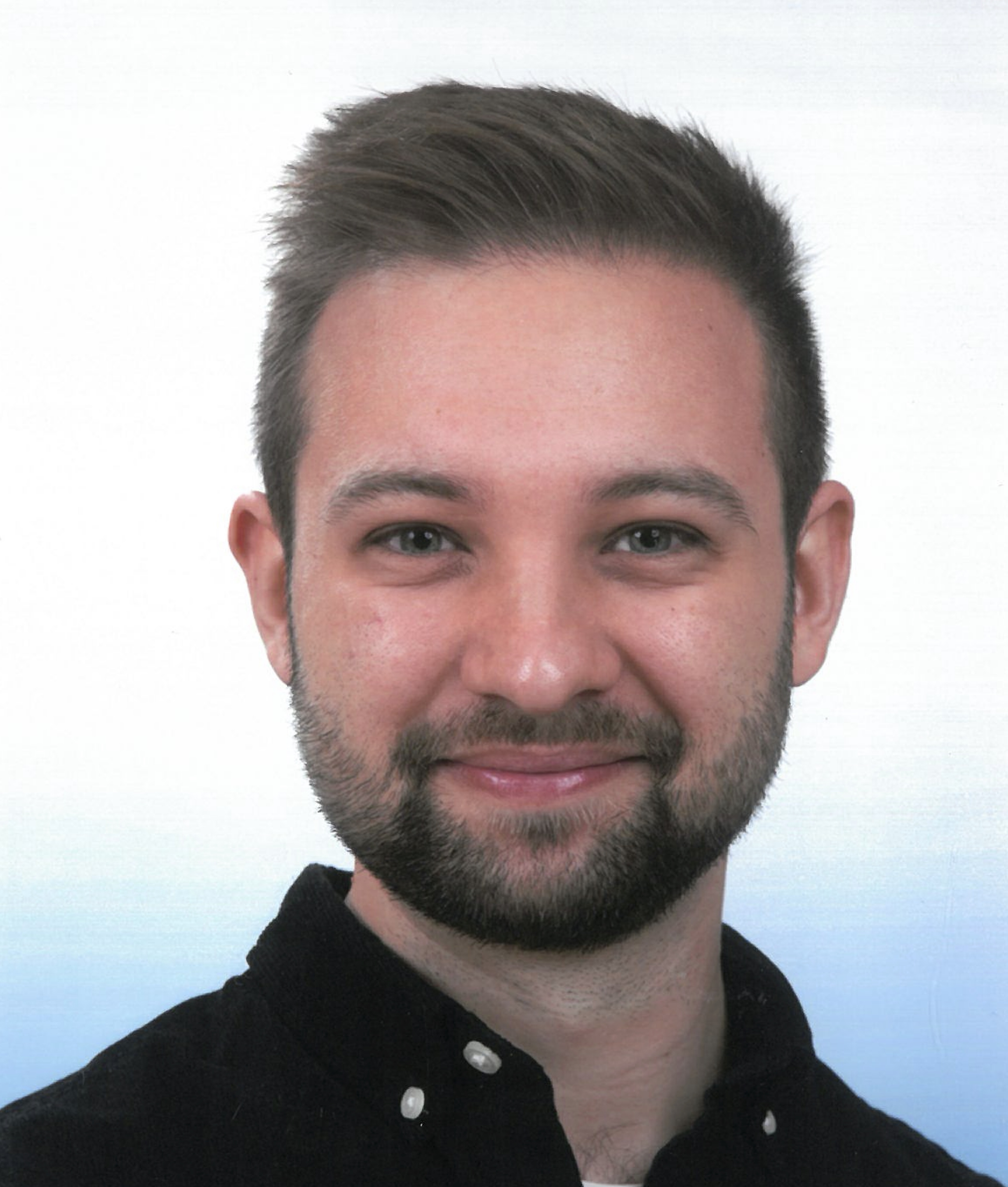
Marcel Kraupp
Marcel Kraupp is an incoming PhD student in Musicology at the University of Vienna, where he received his B.A. and is currently completing his Master’s thesis. He also holds a master’s degree in Music Education from the University of Music and Performing Arts Vienna. His research focuses on musical life—particularly liturgical music—at the court of Emperor Maximilian I.
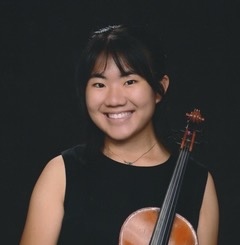
Yuri Lee
Yuri Lee is a composer and violinist. She is pursuing a music major at Princeton University, where she seeks to connect the hearing and Deaf communities through music and explore what music means to humanity. Her compositions have been awarded by National YoungArts, ASCAP, and Carnegie Hall’s National Youth Orchestra.
Past team members: Clare Bokulich, Victoria Chang, Joel Chapman, Megan Eagen, Christopher Gage, Daniel Koplitz, Eric Tuan, Lorenzo Tunesi
Advisory Board
- David Burn (Katholieke Universiteit Leuven)
- Philippe Canguilhem (Centre d'études supérieures de la Renaissance, Université de Tours)
- Antonio Chemotti (Katholieke Universiteit Leuven)
- Julie Cumming (McGill University)
- Karen Desmond (Maynooth University)
- Richard Freedman (Haverford College)
- Ichiro Fujinaga (McGill University)
- Sean Gallagher (New England Conservatory)
- Nori Jacoby (Cornell University)
- Marcin Konik (Fryderyk Chopin Institute, Warsaw)
- Birgit Lodes (Universität Wien)
- Laurent Pugin (Universität Bern/Répertoire International des Sources Musicales)
- Jamie Reuland (Princeton University)
- Emiliano Ricciardi (University of Massachusetts, Amherst)
- Joshua Rifkin (Boston University, emeritus)
- Katelijne Schiltz (Universität Regensburg)
- Philippe Vendrix (Centre d'études supérieures de la Renaissance, Université de Tours)
- Giovanni Zanovello (Indiana University)
- Emily Zazulia (University of California, Berkeley)
Thank Yous
We are grateful to those who have donated data, including:
- Theodor Dumitrescu (several dozen works attributed to Josquin)
- Andrea Lindmayr-Brandl and Agnese Pavanello (music by Gaspar van Weerbeke)
- Alejandro Enrique Planchart (1935–2019) (complete works of Guillaume Du Fay)